
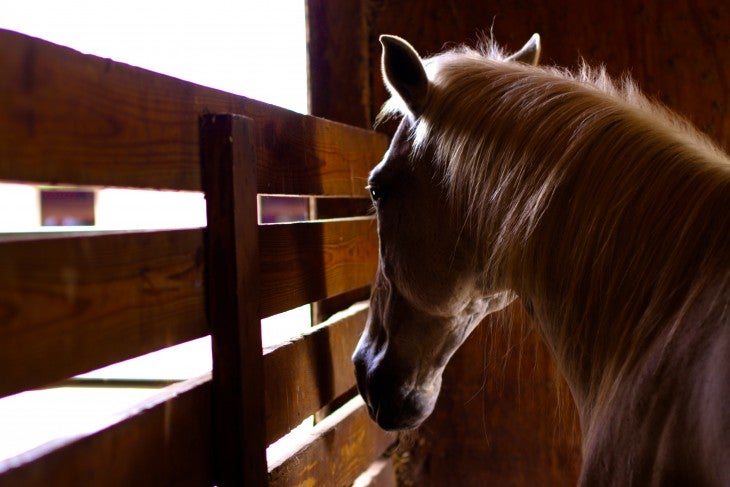
Ulcers may be one of the most common conditions a horse can develop, 60 to 90 percent of show and race horses will develop the illness. And horses with a more nervous disposition are bound to have ulcers compared to a calmer and easy going horse.

Every pet owner knows they need food, treats, litter, and...
Read More of this Article
Your pets are part of your family, and planning for...
Read More of this Article
August 8th is International Cat Day, so if you’ve been...
Read More of this Article
Millions of workers either could not work or worked from...
Read More of this Article
Ulcers may be one of the most common conditions a horse can develop, 60 to 90 percent of show and race horses will develop the illness. And horses with a more nervous disposition are bound to have ulcers compared to a calmer and easy going horse.

An active lifestyle can take a toll on your dog’s joints. Over time, years of wear and tear due to normal aging, disease, injury or genetic conditions can result in swelling, stiffness, decreased activity and degeneration of joint cartilage.

Hypothyroidism is caused by autoimmune thyroiditis which results in the destruction of the thyroid tissues. Dogs with hypothyroidism may develop secondary seborrhea, hair loss, weight gain, intolerance to cold, lethargy among many other undesirable symptoms. To avoid your dog from undergoing any...

ASU is an extract which can be obtained from avocado and soybeans, and is included in several oral joint supplements. It can help by protecting cartilage, support repair and also mantain comfort in joints. It has been proven by research that ASU is both effective and save.
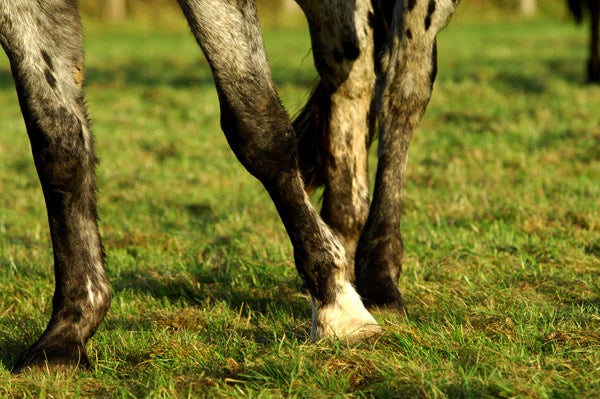
Equine arthritis, otherwise known as degenerative joint disease, is the most common cause of lameness in horses. While older horses are often affected, arthritis can strike at an early age, too, altering a promising career path. Over time, the self-feeding cycle of inflammation results in joint...

Exocrine pancreatic insufficiency is an unusual disease found in dogs except in certain breeds and symptoms can be life threatening. Weight loss, diarrhea, abnormal appetite, poor coat quality and flatulence are all symptoms that your dog may be suffering with exocrine pancreatic insufficiency...